The rapid adoption of the Model Context Protocol (MCP) has been nothing short of transformative. Often described as the "USB-C for AI," MCP provides a standardized way for large language models (LLMs) to connect seamlessly with external tools, local files, and enterprise databases. In the rush to build more capable agents, developers have embraced MCP for its ability to break down the silos between models and the data they need to be useful.
As we established in our Blueprint for Agentic Security, the shift from simple chatbots to autonomous agents requires a fundamental move from content filtering to real-time action authorization.
However, as with any new connectivity standard, the speed of adoption has outpaced the implementation of robust security. While MCP excels at how to connect, it is often silent on who is authorized to execute specific actions once that connection is made. For the enterprise, this creates a significant new attack surface where the "tool invocation" becomes the new perimeter.
The Emerging Security Gap: The "Confused Deputy" Problem
In a standard MCP setup, an agent is given access to a "server" that hosts various tools—for example, a Google Drive tool or a SQL database interface. The risk arises when an agent, perhaps influenced by a malicious prompt, attempts to use those tools in ways the original user never intended.
This is a classic "Confused Deputy" scenario: a privileged entity (the MCP server) is tricked into misusing its authority by a less privileged entity (the agent or the person prompting it). Without a dedicated authorization layer, an MCP server might have blanket "Read/Write" access to a repository, meaning any agent connected to it can technically delete files or exfiltrate data if it is coerced into doing so.
Furthermore, we are seeing the rise of "Shadow MCP." Developers are increasingly spinning up local MCP servers on their machines to boost productivity. These unofficial implementations often run with full system privileges and direct filesystem access, creating a perimeter that is completely invisible to traditional security monitoring tools.
Making MCP Enterprise-Ready: The Reva Approach
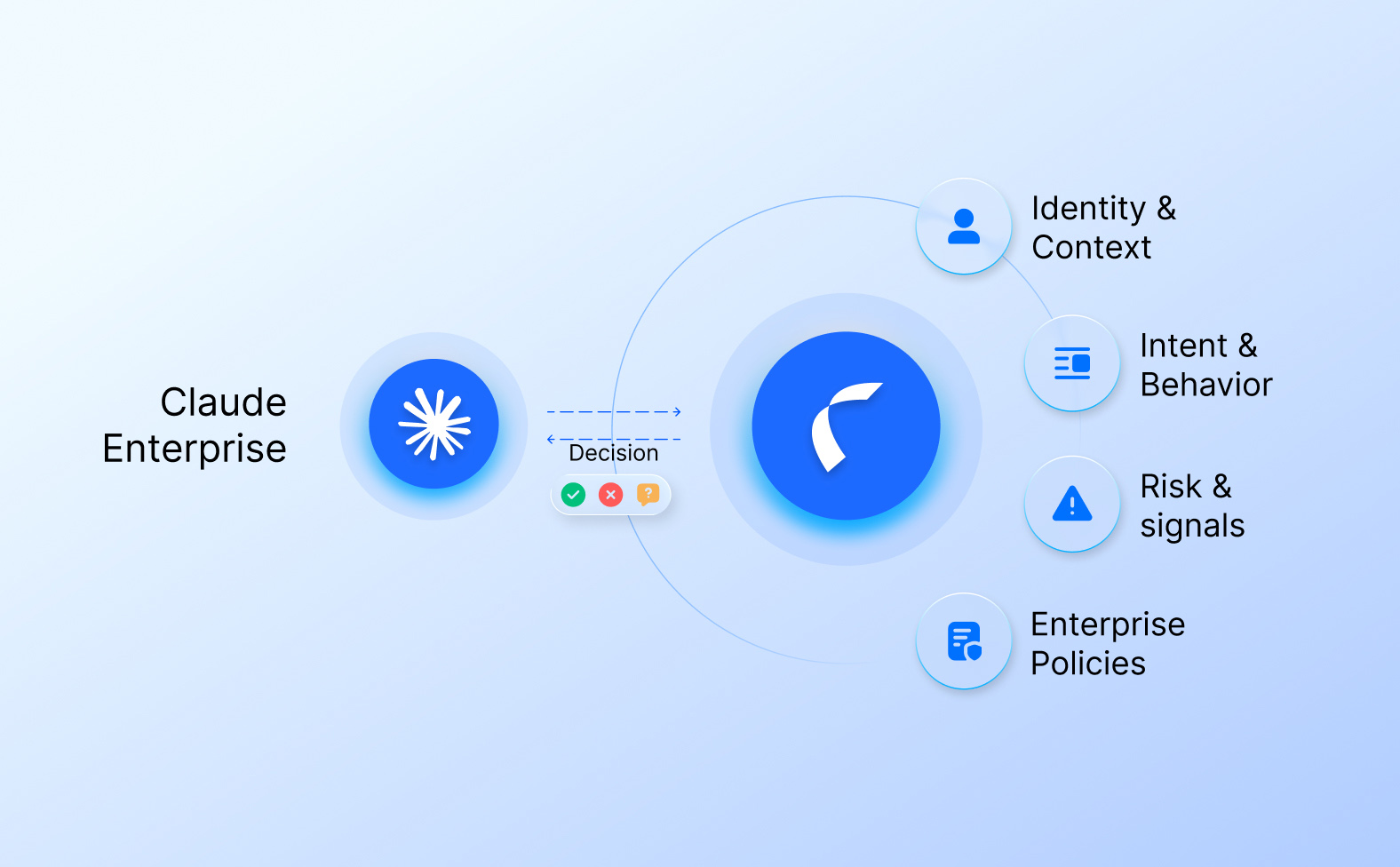
At Reva, we view MCP as a powerful enabler for the agentic era, provided it is wrapped in a deterministic governance layer. Our goal is to act as the security "sidecar" for MCP, moving security out of the protocol itself and into a centralized control plane.
1. Discovering the Shadow Perimeter
The first step in securing MCP is visibility. Reva automatically discovers MCP servers running within your environment, whether they are officially sanctioned remote servers or local instances on developer laptops. By bringing these connections into a central inventory, security teams can finally see the full extent of their AI attack surface and begin to apply consistent policies.
2. Intent-Aware Tool Authorization
Standard API security often relies on static tokens that grant broad access. Reva introduces Intent-Aware Authorization to the tool-calling process. Before an MCP tool is ever executed, Reva evaluates the request at the moment of invocation. It asks: “Does this specific user, via this specific agent, have the authority to call the 'delete_database' tool in this specific context?” By intercepting the tool call, Reva ensures that even if an agent is tricked by a prompt injection, it physically cannot execute an unauthorized action. This effectively "clips" the agent's autonomy to the exact boundaries defined by enterprise policy.
3. Behavioral Monitoring and Adaptive Control
Because agentic workflows are dynamic, authorization cannot be a one-time check. Reva continuously monitors MCP interactions for anomalous behavior. For example, if an agent that normally reads five files a day suddenly attempts to access 500 records via an MCP server, Reva can trigger an automatic alert or a "kill switch" to terminate the session.
This aligns with the transition toward Just-in-Time (JIT) Trust, a shift highlighted in the Software Analyst report on the future of AI trust. Instead of agents having permanent, standing privileges, Reva ensures that trust is granted only for the specific task at hand and revoked the moment that task is complete.
Ensuring tool-calling remains secure at scale is a critical pillar of modern governance; learn how we automate this within Gartner’s AI TRiSM and CSA’s MAESTRO frameworks.
4. Seamless Integration with Open Standards
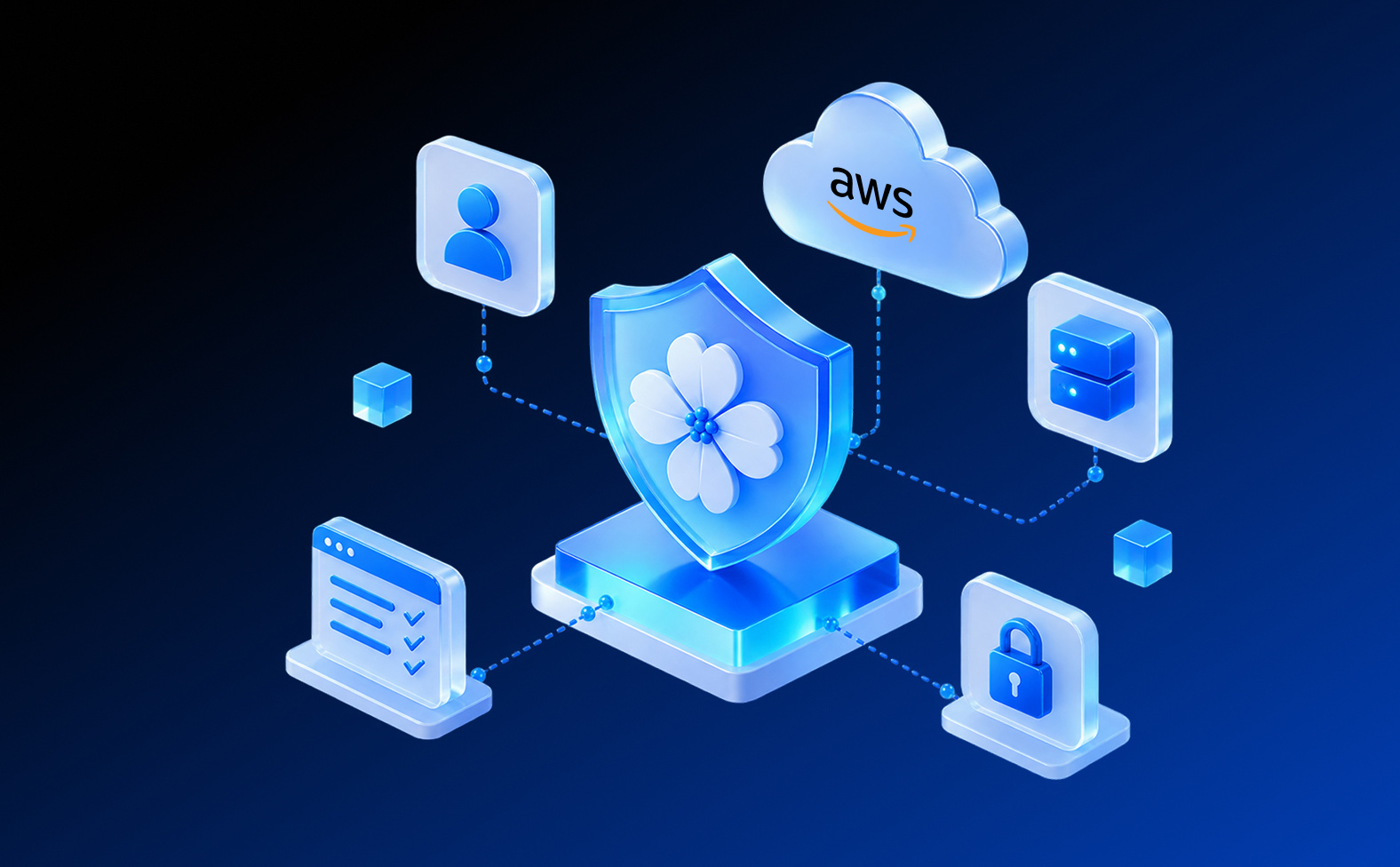
To avoid adding complexity, Reva is built to work with the tools you already have. We support OAuth 2.1 for secure identity propagation and are early adopters of the AuthZEN standard for externalized authorization. This means you can manage your MCP security policies in the same way you manage permissions for your other enterprise apps, integrating directly with identity providers like Okta, Entra ID, or AWS IAM.
Conclusion: From Pilot to Production
The Model Context Protocol is the bridge that allows agents to move from "chatting" to "doing." But for these agents to move into production, enterprises must be able to govern those actions with confidence.
By adding a dedicated authorization sidecar to your MCP architecture, you can reap the benefits of standardized connectivity without the risks of an open perimeter. At Reva, we are helping organizations build that secure foundation, ensuring that as agents become more autonomous, their governance becomes more precise.
The future of AI is connected. With Reva, it’s also authorized.
Request a Reva demo to see how MCP tool calls can be governed with real-time, intent-aware authorization and centralized control.
The Agentic Security Series:
- Part 2: Securing the Model Context Protocol (MCP) (Current)
.svg)