Product
Reva Authorization & AI Security Platform 
Continuous & Adaptive authorization platform for humans and Agentic AI
Learn More
Product Features
Policy Control Tower

Design, govern, and
operate  authorization
policies at scale 

Reva Trust Gateway 

Enforce real-time authorization across apps, APIs, and AI agents

Policy Intelligence

Explainable decisions
and  behavior analytics
for adaptive authorization

Data Fabric

Design, govern, and
operate  authorization
policies at scale 

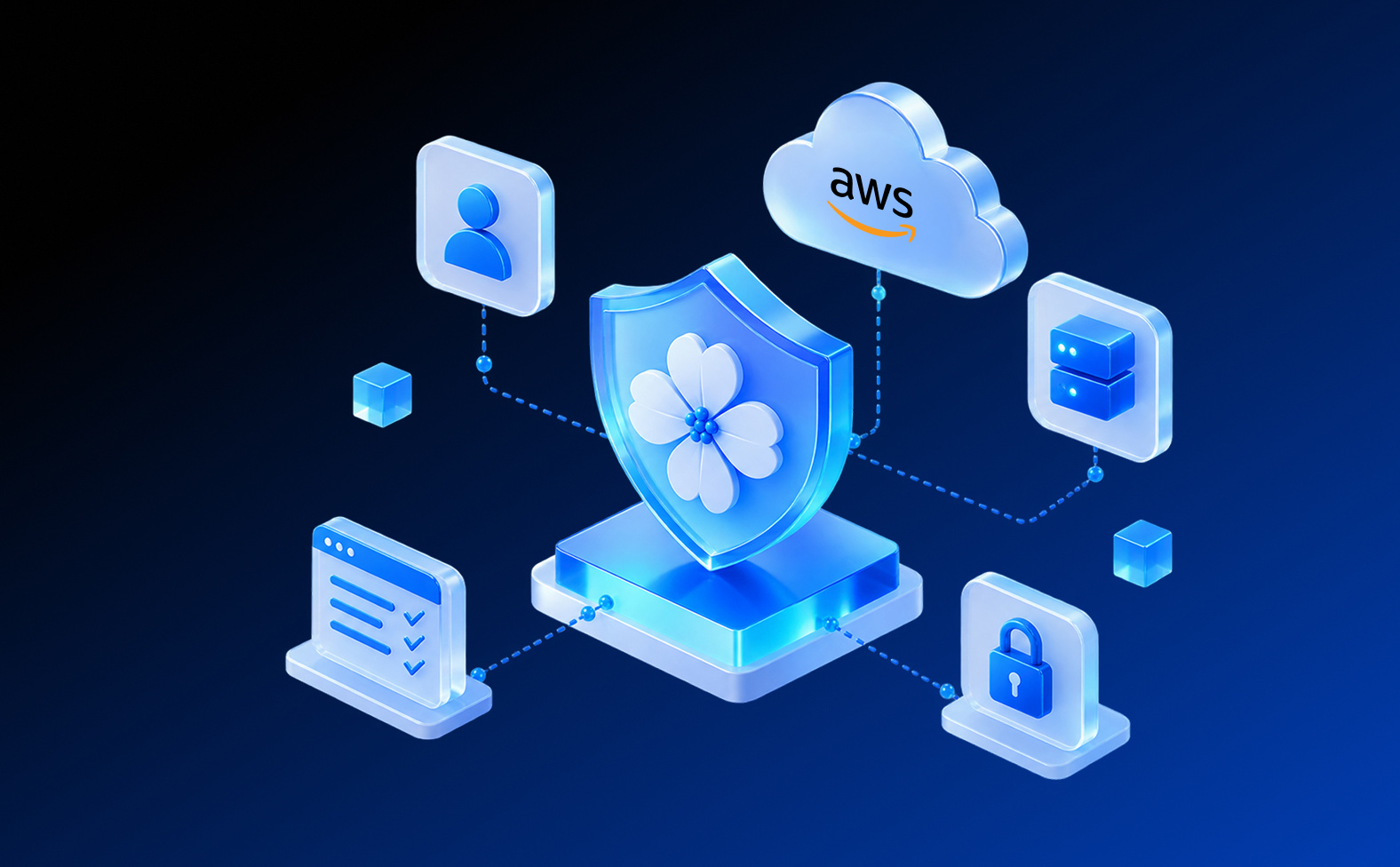
Authorization Control Plane for AWS

Design, test, and govern IAM, SCPs, AVP, and AgentCore policies from a unified control plane.

Learn More
Join Momentum - Reva Slack Community
Download Now
Solutions
Secure Agentic
AI Workloads 

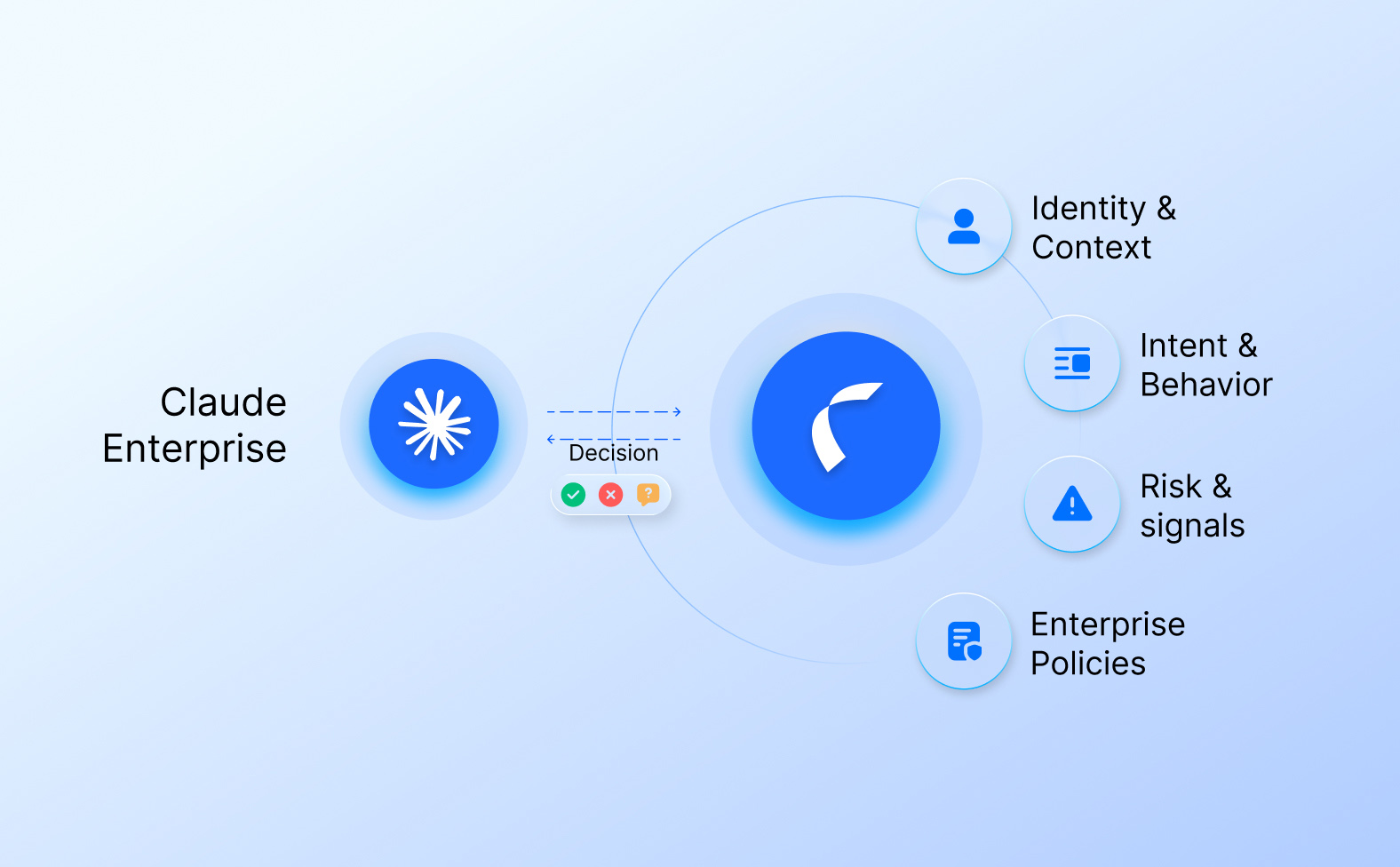
Authorize AI agents dynamically
using context, intent, andrisk
at runtime

MCP Runtime
Security

Secure MCP server and tool
invocation with centralized,
policy-driven authorization.

Modernize Application
Authorization

Replace static, identity-only
controls with policy-driven
runtime decisions

Secure SaaS &
Data Platforms

Centralized policy discovery,
visibility and continuous
governance

Cloud-Native
Authorization

Unified, runtime policy control
across APIs, Kubernetes,
microservices, and cloud IAM.

Join Momentum - Reva Slack Community
Authorization Control Plane for AWS

Design, test, and govern IAM, SCPs, AVP, and AgentCore policies from a unified control plane.

Learn More
Resources
Blogs
View All
Rethinking Authorization for the Cloud-Native Era: Why Policy as Code is Your Answer
Traditional access models such as RBAC and PAM struggle in dynamic cloud-native environments. This post explores why modern systems require runtime, context-aware authorization and how Policy as Code enables scalable, fine-grained access control across microservices, multi-cloud architectures, and non-human identities.
The Authorization Migration & Modernization Blueprint
Externalize authorization from application code. Centralize policy design and governance. Evaluate decisions through the right engine for each environment. Operate it all through a unified authorization control plane.
The Blueprint for Agentic Security: Operationalizing AI Governance with Runtime Authorization
As enterprises enter the Agentic Era, the viral rise of OpenClaw has exposed a critical security gap: traditional IAM systems were never designed for autonomous AI agents that act, delegate, and execute in real time. While agentic AI promises major productivity gains, it also introduces governance risks such as shadow AI, excessive autonomy, and fragmented attribution. This post connects those risks to The Authorization Migration & Modernization Blueprint Authorization Migration , outlining how enterprises can move from static, embedded access checks to a unified, externalized authorization control plane. By adopting runtime authorization, intent-aware enforcement, continuous monitoring, and policy-as-code governance, organizations can safely enable AI agents without disrupting production systems. The future of AI is autonomous. The future of AI security is governed, real-time authorization.
Choosing the Right Policy Engine: How OPA, Cedar, and Zanzibar Shape Modern Authorization
Modern authorization requires more than a single policy engine. This article explores how OPA, Cedar, and Zanzibar approach access control through different models — code-based logic, typed policies, and relationship graphs. Learn the key decision lenses that help you choose the right engine for infrastructure, APIs, and application data, and understand when combining models creates a more scalable and explainable authorization strategy.
Company
About Reva
Leadership
Careers
Link Four
Link FiveLink SixLink Seven
Get Started
Get Started
Featured Blog
Security
February 18, 2026

The Blueprint for Agentic Security: Operationalizing AI Governance with Runtime Authorization

Amit Phadke
Research
Amit Phadke

The Control Plane for the Agentic Era: Operationalizing AI Governance with MAESTRO and AI TRiSM

As enterprises scale Agentic AI, traditional IAM cannot govern machine-speed decisions or ephemeral contexts. This blog explains how Reva operationalizes MAESTRO and AI TRiSM by turning AI governance frameworks into real-time, enforceable policy through a unified authorization control plane.
Security
Amit Phadke

Securing the Model Context Protocol (MCP): The New Perimeter for Agentic Tools

The Model Context Protocol (MCP) is accelerating the rise of agentic AI by enabling seamless connections between large language models and enterprise tools. But while MCP standardizes connectivity, it does not enforce authorization, creating a new security gap at the tool invocation layer. This blog explores the emerging risks, including the Confused Deputy problem and the rise of shadow MCP servers, and explains why enterprises must treat tool calls as the new security perimeter. It outlines how Reva adds an authorization sidecar to MCP, delivering intent-aware tool control, continuous behavioral monitoring, and Just-in-Time trust. As AI agents move from pilot to production, secure, policy-driven authorization becomes essential. With centralized governance, organizations can harness MCP’s power without exposing critical systems to unintended risk.
Security
Amit Phadke

The Blueprint for Agentic Security: Operationalizing AI Governance with Runtime Authorization

As enterprises enter the Agentic Era, the viral rise of OpenClaw has exposed a critical security gap: traditional IAM systems were never designed for autonomous AI agents that act, delegate, and execute in real time. While agentic AI promises major productivity gains, it also introduces governance risks such as shadow AI, excessive autonomy, and fragmented attribution. This post connects those risks to The Authorization Migration & Modernization Blueprint Authorization Migration , outlining how enterprises can move from static, embedded access checks to a unified, externalized authorization control plane. By adopting runtime authorization, intent-aware enforcement, continuous monitoring, and policy-as-code governance, organizations can safely enable AI agents without disrupting production systems. The future of AI is autonomous. The future of AI security is governed, real-time authorization.
Research
Amit Saha

The Authorization Migration & Modernization Blueprint

Externalize authorization from application code. Centralize policy design and governance. Evaluate decisions through the right engine for each environment. Operate it all through a unified authorization control plane.
Security
Yash Prakash

Rethinking Authorization for the Cloud-Native Era: Why Policy as Code is Your Answer

Traditional access models such as RBAC and PAM struggle in dynamic cloud-native environments. This post explores why modern systems require runtime, context-aware authorization and how Policy as Code enables scalable, fine-grained access control across microservices, multi-cloud architectures, and non-human identities.
Research
Yash Prakash

Regulated Industries, Smarter Governance: How Finance, Healthcare, and the Public Sector Are Adopting Policy as Code

Regulated industries face growing pressure to modernize without compromising compliance. This blog explores how finance, healthcare, and the public sector are adopting Policy as Code to align with frameworks like PCI DSS, HIPAA, GDPR, and SOX while accelerating innovation. Learn how guardrails, simulations, and decision logs enable continuous compliance, audit readiness, and smarter governance at scale.
Research
Baba Syed

Choosing the Right Policy Engine: How OPA, Cedar, and Zanzibar Shape Modern Authorization

Modern authorization requires more than a single policy engine. This article explores how OPA, Cedar, and Zanzibar approach access control through different models — code-based logic, typed policies, and relationship graphs. Learn the key decision lenses that help you choose the right engine for infrastructure, APIs, and application data, and understand when combining models creates a more scalable and explainable authorization strategy.
Security
Yash Prakash

Externalized Access Control at Enterprise Scale with Amazon Verified Permissions and Reva

As enterprises scale cloud platforms and API-driven architectures, authorization complexity becomes a major security and compliance risk. This blog explores how Amazon Verified Permissions (AVP) and Reva enable centralized, policy-as-code access control to address OWASP Top 10 and API Security Top 10 risks. Together, they help organizations enforce Zero Trust, reduce over-permissioned access, and modernize authorization with scalable governance and real-time visibility.
Security
Yash Prakash

Defining the Runtime Authorization Era: Why Reva Leads the Shift

Modern applications are more distributed and dynamic than ever.
Adaptive Access for Humans and AI Agents 
© 2025 Reva.ai. All rights reserved.
Platform
Secure Application Access
Secure AI Workloads
About Us
Leadership
Careers