As enterprises expand their digital platforms, managing authorization across hundreds of services, applications, and roles becomes a critical challenge. Too often, authorization logic is buried deep within application code, leading to fragmented enforcement, poor visibility, and mounting audit risks.
Enterprises are accelerating cloud adoption, expanding API-driven architectures, and supporting distributed workforces. This shift has increased the number of authorization decisions and amplified the need for consistent, centralized, least-privilege access control.
OWASP ranks Broken Access Control as the #1 application and API security risk, found in 94% of tested applications (Top 10 2021, API Security Top 10 2023). Common Weakness Enumerations (CWEs) highlight real risks, for example, CWE-200 highlights the exposure of sensitive information to unauthorized actors, a frequent outcome of poorly enforced access control. These risks highlight why fragmented authorization models are no longer sufficient, and why enterprises are shifting to externalized, policy-as-code approaches.
This approach directly mitigates OWASP API Security Top 10 risks such as API1 (Broken Object Level Authorization), API3 (Broken Object Property Level Authorization), API5 (Broken Function Level Authorization), and API6 (Unrestricted Access to Sensitive Business Flows), which are among the most exploited weaknesses in modern enterprise applications.
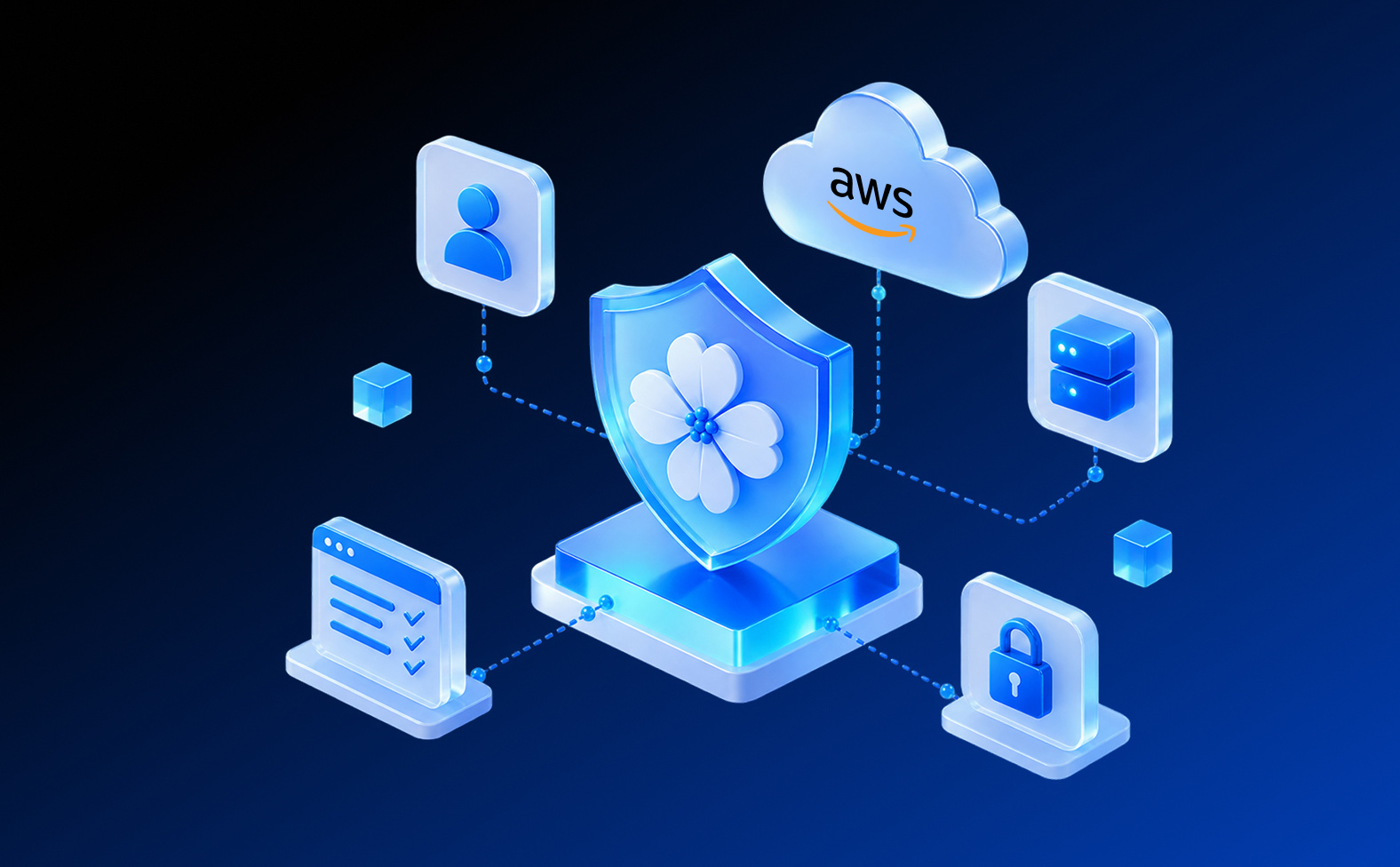
Without a centralized and governed model, organizations struggle to meet compliance requirements, enforce least privilege, and reduce the risk of data exposure. Amazon Verified Permissions (AVP) combined with Reva provides enterprises with a scalable and modern approach to externalized authorization. Together they bring visibility, consistency, and governance to access management.
Externalized Authorization: What, Who, and How
What: Externalized authorization with AVP and Reva enables enterprises to replace fragmented, hard-coded logic with centralized, policy-as-code access control. This ensures consistent enforcement of Zero Trust and least-privilege principles across applications, APIs, and microservices.
Who: This solution is designed for security leaders who need audit-ready visibility and compliance control, developers who want to deliver faster without embedding authorization logic in every service, and enterprise architects who must design scalable security aligned to OWASP Top 10 and API Top 10 risks.
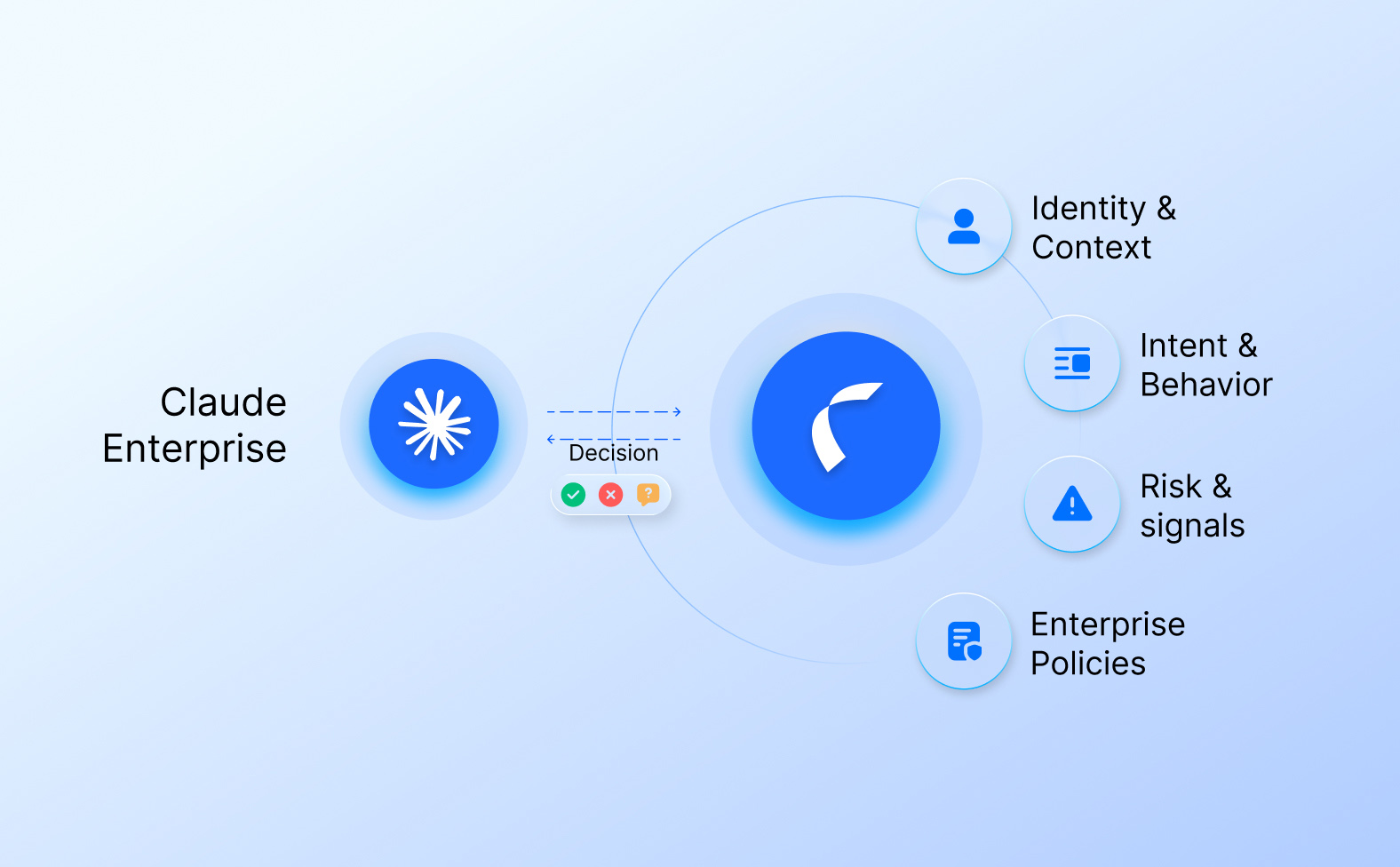
How: AVP acts as the Cedar-based decision engine for fine-grained authorization. Reva adds governance, orchestration, and AI-powered tooling for schema modeling, policy generation, and compliance guardrails. Together, they mitigate enterprise risks such as policy sprawl, audit fatigue, and over-permissioned roles, while reducing authorization-related attack surface by up to 60%.
Challenges with Traditional Authorization
- Enterprises often struggle with policy logic spread across multiple codebases, which makes authorization inconsistent and difficult to manage.
- This leads to inconsistent enforcement that increases audit risk and exposes the organization to compliance gaps.
- With no visibility into access decisions, security and compliance teams cannot easily answer audit or regulatory questions.
- Authorization processes rely on manual reviews and audits, consuming weeks of valuable engineering and security time.
- Many systems operate with over-permissioned roles, violating Zero Trust principles and undermining least-privilege enforcement.
- The absence of a structured policy lifecycle often results in risky hotfixes, rollback confusion, and long-term security debt.
AVP and Reva: Authorization-as-a-Service with Scalable Governance
- Amazon Verified Permissions (AVP) provides a centralized, Cedar-based decision engine for fine-grained, low-latency authorization.
- Reva adds orchestration and governance, enabling enterprises to design, validate, approve, and visualize authorization policies with built-in AI and compliance guardrails.
Together, it delivers modern authorization done right, starting from policy creation to audit readiness.
Key Capabilities of AVP and Reva
- Amazon Verified Permissions (AVP): Provides a centralized, Cedar-based decision engine that enforces fine-grained, low-latency authorization consistently across enterprise applications.
- Reva: Adds orchestration and governance on top of AVP with AI-powered tooling, compliance guardrails, and developer-ready workflows that simplify policy design and lifecycle management.
- Guardrails: Strengthens compliance and security by automatically detecting risky patterns such as cross-tenant access, wildcard permissions, or overly broad roles before policies are deployed.
- AI Schema Generator: Accelerates schema onboarding by converting JSON, DDL, or application models into reusable entity definitions.
- AI Policy Generator: Speeds up policy authoring by converting natural language into validated Cedar policies.
- Access Graph: Reduces audit time with real-time visibility into “who has access to what.”
- Version History: Provides Git-style tracking of policy changes with rollback and promotion, ensuring safe and auditable policy lifecycle management.
- Approvals + Ownership: Enables multi-stage reviews, ownership tracking, and accountability before policies are promoted to production.
- Library: Offers reusable schema and policy templates that eliminate duplication and accelerate onboarding for new applications.
Enterprise Impact: Reducing Risk and Audit Burden
- Authorization Attack Surface: 40–60% reduction by replacing scattered authorization checks with centralized policies.
- Over-permissioned Access: 30–50% reduction through guardrails and AI-driven least-privilege recommendations.
- Audit and Compliance Gaps: 70–90% reduction enabled by Access Graph visibility, version history, and full policy lifecycle tracking.
- Manual Access Errors: 50–80% reduction through automated testing, multi-stage approvals, and workflow-based validation.
By externalizing access control with AVP and Reva, enterprises can reduce authorization-related risk by up to 60%, while also cutting audit preparation time by 70–80%.
- Enforce Zero Trust and least privilege consistently.
- Cut audit prep time with real-time access visibility.
- Accelerate developer delivery by removing embedded authorization logic.
- Enable governance at scale without slowing innovation.
By combining AVP and Reva, enterprises can modernize authorization with confidence, strengthening security while accelerating innovation.
Getting Started with Externalized Authorization
Enterprises can modernize authorization through a structured, low-risk journey that balances strategic planning with hands-on execution. By combining the strengths of AWS Verified Permissions, Cedar, and Reva, organizations can ensure authorization is designed for scale, security, and compliance from day one.
Here is a practical path to begin with minimal risk and maximum impact:
Step 1: Book a Joint Workshop with AWS and Reva
Bring together stakeholders from security, compliance, and application teams. Review current access control challenges, map critical enterprise use cases such as employee access to sensitive data, partner integration, or regulatory audit scenarios.
Step 2: Define Authorization Architecture Patterns
Establish architecture patterns that leverage AVP for centralized decision-making, Cedar for policy-as-code, and Reva for schema modeling, automated authoring, and governance workflows.
Step 3: Implement Modern Authorization for Priority Use Cases
Start with high-value scenarios such as customer data protection, privileged user access, or cross-application workflows. Use schema-driven modeling, AI-assisted policy authoring, and approval workflows to ensure security and auditability.
Step 4: Expand Adoption and Optimize Policies
Scale across applications and environments. Use Access Graph insights and compliance monitoring to continuously refine policies, enforce guardrails, and extend coverage to multi-cloud, SaaS, and legacy systems without disruption.
Resources
Amazon Verified Permissions (AVP)
- What is Amazon Verified Permissions? -
Learn the basics of AVP, Cedar, and fine-grained authorization.
- AVP Developer Guide – Policy Evaluation API & Schema
Learn how to use AVP’s isAuthorized() API and structure your entity schemas.
- AVP in AWS Prescriptive Guidance (Multi-tenant Access)
Reference architecture for integrating AVP in SaaS multi-tenant systems.
Reva
- Reva Product Overview
High-level overview of Reva’s authorization governance, policy orchestration, and AI-assisted policy management capabilities.
- Reva on AWS Marketplace
Register via AWS Marketplace for quick and secure onboarding.
.svg)