The Shift to Runtime Authorization
Modern applications are no longer monolithic systems with static roles and coarse-grained permissions. Enterprises are building distributed applications across APIs, microservices, Kubernetes, SaaS platforms, data pipelines, and AI-driven services where authorization decisions must continuously adapt to user context, behavior, resource sensitivity, and business intent.
Traditional IAM approaches were designed for administrative-time access control and struggle to support:
- Fine-grained authorization across APIs and microservices
- Dynamic runtime decisions based on context and risk
- Policy consistency across cloud, data, infrastructure, and applications
- AI-native and agentic workloads requiring adaptive access controls
As enterprises accelerate cloud-native and AI adoption, authorization is emerging as a critical missing layer in the modern IAM stack. Today, Identity systems can authenticate users and workloads, but they cannot independently enforce fine-grained, context-aware access decisions across highly distributed environments. This is driving a shift toward authorization as a dedicated runtime control plane powered by Policy-as-Code and adaptive policy enforcement.
The Foundation of Secure, Compliant Applications
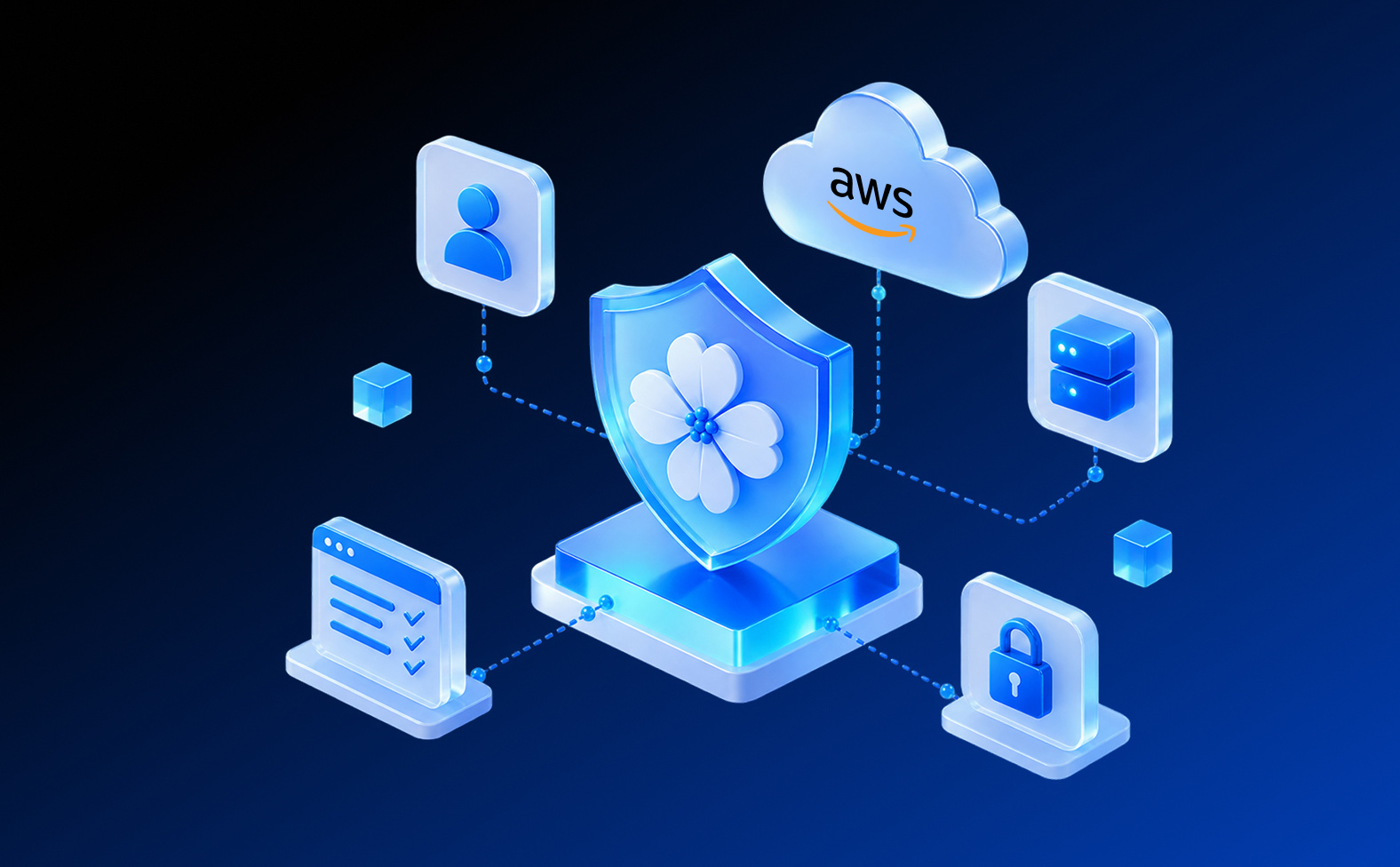
The Reva Authorization Service is purpose-built to enforce Zero Standing Privileges (ZSP) using dynamic, policy-driven runtime authorization. With native support for Cedar, Amazon Verified Permissions (AVP), and OPA, Reva enables enterprises to implement fine-grained, least-privilege access consistently across applications, APIs, cloud infrastructure, and AI systems.
Reva helps enterprises:
- Externalize authorization using Policy-as-Code
- Standardize RBAC, ABAC, and ReBAC across teams and platforms
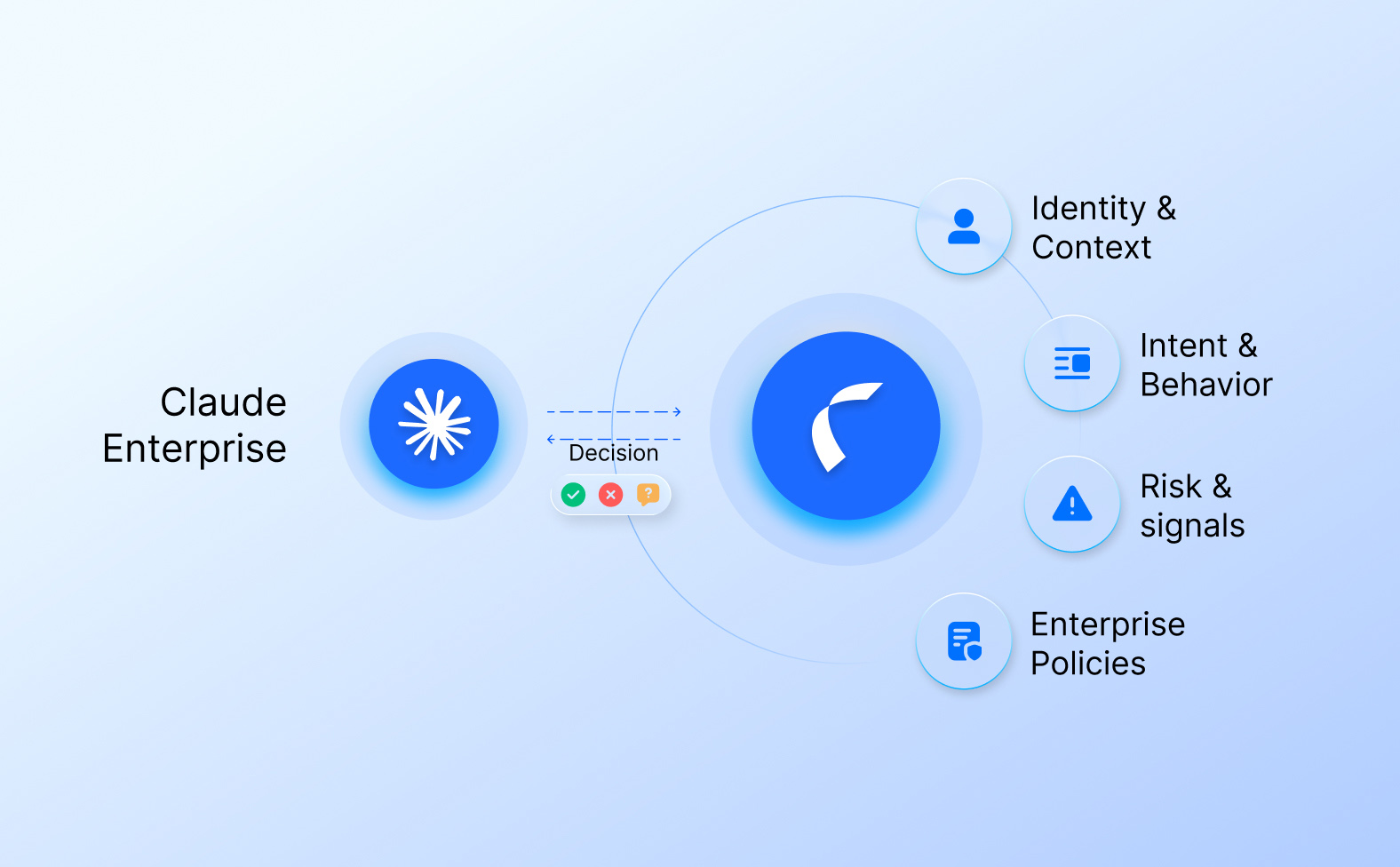
- Deliver adaptive and intent-aware runtime authorization
- Simplify policy governance, observability, and compliance readiness
This enables enterprises to modernize authorization without introducing operational complexity or fragmented policy management.

Maximize Engineering Velocity
Eliminate the technical debt of custom authorization and reclaim developer time for core product innovation - not security plumbing.
- Generate authorization schemas and policies directly from requirements, design documents, or API specifications. Integrate securely with AI IDEs such as Claude Code and Cursor using the Reva MCP Server.
- Detect risky patterns, excessive permissions, and policy misconfigurations early—ensuring authorization logic is secure before reaching production.
- AI-driven insights and recommendations help teams enforce Zero Trust principles and achieve Zero Standing Privileges consistently across applications and environments.

Contextual Data for Runtime Authorization
Reva ensures policy engines receive the identity, resource, relationship, and contextual data required for real-time authorization decisions—securely and at scale.
- Connect applications to leading identity and data providers using event-driven architecture, prebuilt integrations, and developer-friendly SDKs
- Support low-latency authorization (P90 < 8ms) with intelligent caching and optimized data access
- Gain deep visibility into who has access, why access was granted, and how policies are evaluated using Access Explorer.

Enhance Operational Control and Audit Accuracy
Robust governance and change control capabilities are essential for operationalizing Policy-as-Code at enterprise scale.
- Implement approval workflows to ensure policies are thoroughly reviewed and their impact assessed prior to activation. It is critical to understand the business impact as well as avoid introducing new risk
- Maintain a detailed version history that audits every change, enhancing transparency and accountability.
- Enable the controlled promotion of policies between application environments or policy stores, supporting seamless transitions from development to production.

Why Reva?
Reva delivers a unified authorization control plane that combines runtime authorization, Policy-as-Code governance, and adaptive enforcement to secure modern cloud-native and AI-driven applications.
.svg)